The Benefits of Mindful Movement Practices
Exploring practices that integrate physical activity with mental awareness for comprehensive well-being.
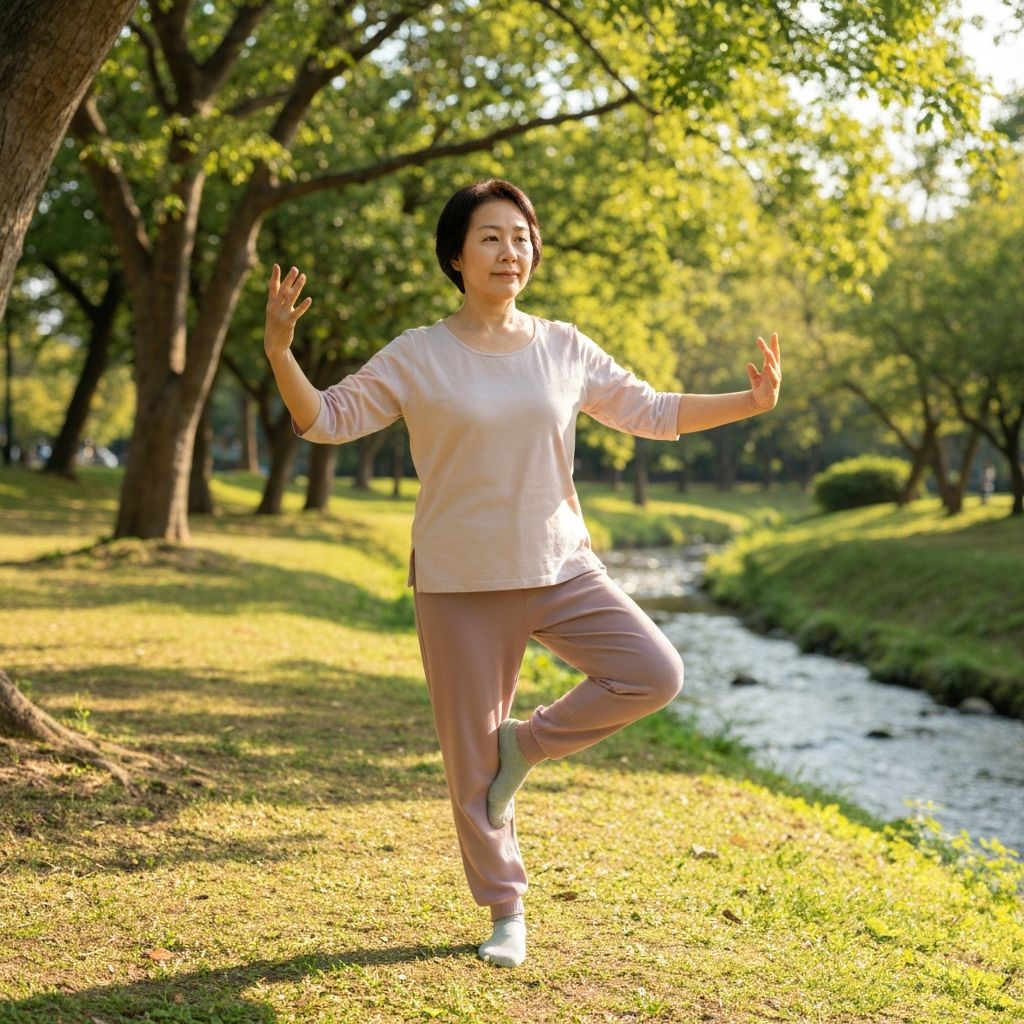
What is Mindful Movement?
Mindful movement describes practices that combine physical activity with conscious attention and body awareness. Rather than engaging in movement with attention divided elsewhere, mindful movement involves deliberate focus on the sensations of movement, the positioning of the body, the quality of breath, and the mental state accompanying physical activity. This integration of physical movement with mental awareness creates a practice that addresses multiple dimensions of well-being simultaneously—physical, mental, and often emotional.
Yoga: Ancient Practice, Modern Understanding
Yoga represents one of the most widely recognized mindful movement practices. Originating in ancient India thousands of years ago, yoga combines deliberate body postures (asanas) with controlled breathing (pranayama) and mental focus. Modern yoga practices vary widely, from gentle styles focused on relaxation to more vigorous styles emphasizing physical challenge. The underlying principle remains consistent: synchronized movement with breath and attention creates an integrated physical and mental practice. Different yoga styles can be adapted to various fitness levels and physical capabilities, making yoga accessible to a wide range of people.
Tai Chi: Flowing Martial Art
Tai Chi, originating in China, represents a martial art transformed into a meditative practice. Characterized by slow, flowing movements performed in sequence, Tai Chi emphasizes continuous, smooth motion coordinated with breath. The practice involves shifting weight, controlled posture, and mental focus on movement quality. Tai Chi is often described as "meditation in motion" because the emphasis on present-moment awareness during movement creates a mental state of calm focus. The gentle nature of Tai Chi makes it particularly accessible for people of various ages and fitness levels.
Other Mindful Movement Forms
Beyond yoga and Tai Chi, other practices incorporate mindful movement principles. Pilates emphasizes controlled, precise movement with focused breathing and body awareness. Qigong (or Chi Kung), another Chinese practice, combines slow movement, breathing, and meditation to cultivate and balance bodily energy. Martial arts practices like Aikido emphasize flowing movement, breath, and present-moment awareness. Dance, when practiced with attention to body sensations and movements, can also become a form of mindful movement. Even simple activities like mindful walking—walking with deliberate attention to each step, breath, and sensations—constitute mindful movement.
The Connection Between Mind and Body
Mindful movement practices recognize and cultivate the intimate connection between mental focus and physical sensation. When attention is directed toward body sensations during movement, the nervous system becomes more attuned to proprioception (awareness of body position in space). This heightened body awareness can improve balance, coordination, and movement quality. Simultaneously, the mental focus required during mindful movement redirects attention away from daily stress and concerns, creating a mental state of calm focus that many describe as meditative. This integration provides benefits extending beyond the physical movements themselves.
General Well-being Benefits
The integration of mental awareness with physical movement contributes to several dimensions of well-being. Physical benefits include improved flexibility, balance, strength, and coordination. Mental benefits include reduced stress, improved mood, enhanced focus, and a sense of calm. Emotional benefits often include a sense of grounding and connection to one's body. Many practitioners report improved sleep quality, reduced anxiety, and a general sense of enhanced well-being. These multidimensional benefits demonstrate why mindful movement practices have been sustained and valued across cultures and centuries.
Sustainable Practice
A key advantage of mindful movement practices is that they can be sustained consistently throughout life. Unlike high-impact or intense physical activities that may become difficult with age or injury, mindful practices can be modified in pace and intensity while maintaining their essential character. A person can practice yoga, tai chi, or other mindful movements at age 25, 45, 65, and beyond, adjusting intensity and style as needed. This sustainability makes mindful movement particularly valuable for long-term wellness and active aging.
Conclusion
Mindful movement practices represent an integrated approach to physical and mental well-being that combines the benefits of physical activity with the benefits of mental focus and awareness. These practices, originating in various cultures and traditions, offer accessible ways for people of different ages and fitness levels to engage their bodies and minds in coordinated, intentional movement. Understanding mindful movement provides perspective on the diverse ways physical activity can support comprehensive well-being.
Disclaimer: This article is educational content only and is not intended as medical advice or therapeutic guidance. Individual circumstances, health conditions, and capabilities vary. Before beginning any new physical practice, especially if you have health concerns or existing conditions, consult with a qualified healthcare professional.